
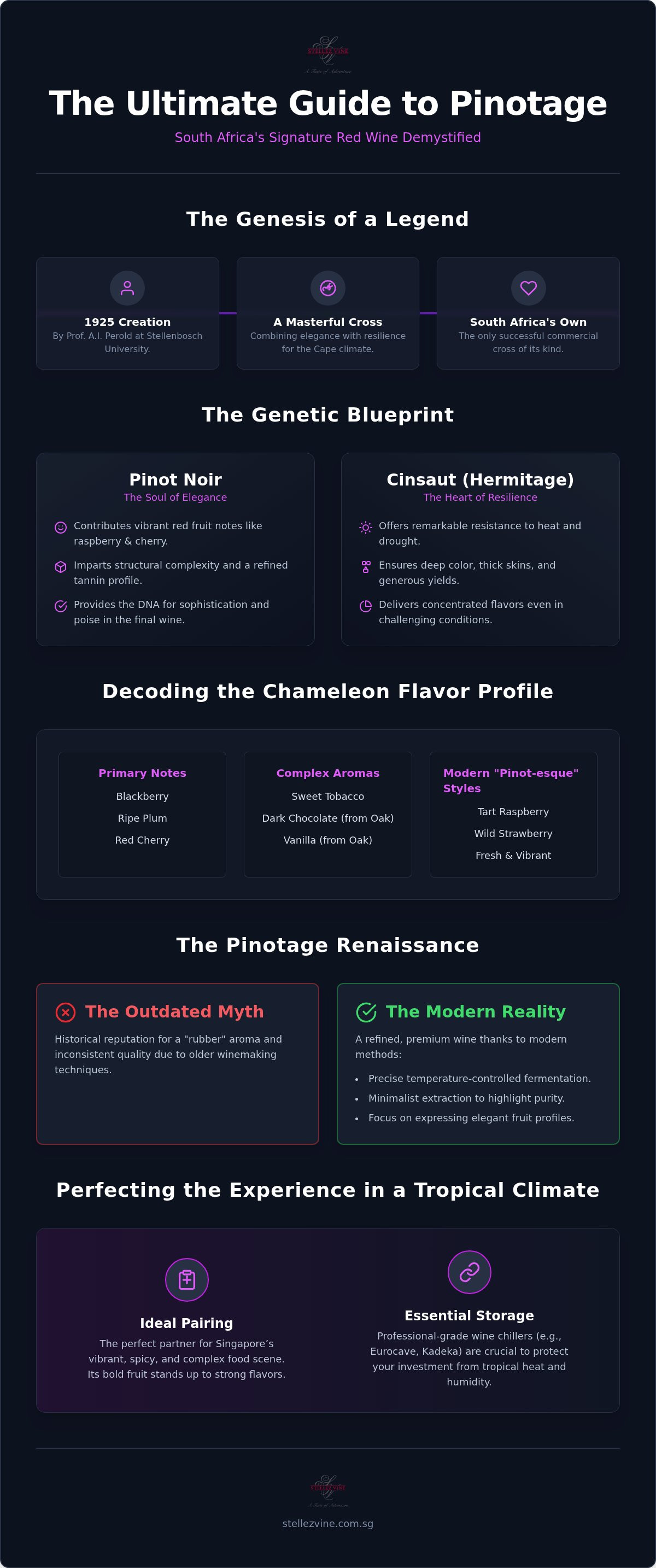
Pinotage: The Ultimate Guide to South Africa’s Signature Red Wine

Updated: Aug 31
What if the most misunderstood grape in the world is actually the perfect partner for Singapore’s vibrant, spicy food scene? You have likely heard conflicting reports about pinotage, perhaps even hesitating to buy a bottle because of outdated myths regarding its aroma. It's a common dilemma for collectors who want a bold red that offers both heritage and high-quality craftsmanship without the confusion of inconsistent quality. We understand that you want to feel assured of the excellence before you savor a new vintage.
This guide will demystify the complex genetic heritage of this unique variety, moving beyond the labels to reveal a wine that is as sophisticated as it is versatile. We believe that quality is a standard for living well, so we have curated the essential facts to help you identify the premium, modern styles currently redefining the global market. You will discover the fascinating history of this Pinot Noir and Cinsault cross, learn how to pair it with local flavors, and master the technical steps to store these bottles correctly in a tropical climate. Prepare to elevate your collection as we explore the refined adventure of South Africa’s benchmark red wine.
Table of Contents
The Genetic Legacy: Understanding the Origin of Pinotage
Pinotage is the singular signature of South African viticulture, a variety that captures the soul of the Cape in every bottle. It didn't emerge by chance in a wild vineyard. Instead, it was the result of a deliberate 1925 experiment conducted by Professor Abraham Isaac Perold at Stellenbosch University. Perold was a visionary who sought to create a grape possessing the undeniable beauty of Burgundy’s finest reds while maintaining the stamina to survive the intense, unyielding sun of the Cape. This ambitious vision gave birth to a hybrid that remains the only successful commercial cross of its kind, standing today as a symbol of South African ingenuity.
The history of Pinotage is rooted in the unlikely pairing of two distinct French cultivars. Perold crossed four seeds from a Pinot Noir vine with a Cinsaut vine, which was then known locally as "Hermitage." His goal was practical yet aspirational; he wanted to combine the aristocratic elegance and delicate fruit of Pinot Noir with the robust productivity and heat tolerance of Cinsaut. It was a bold attempt to fuse two worlds. The result was a high-quality grape that could withstand the rugged landscapes of South Africa while offering a flavor profile that is both intense and deeply nuanced.
The Pinot Noir Influence: Elegance and Fruit
Pinot Noir, often hailed as the "King of Burgundy," provides the DNA for the more sophisticated traits found in a premium pinotage. It contributes the vibrant red fruit notes, such as raspberry, strawberry, and red cherry, that define the best modern examples of the variety. Beyond just flavor, Pinot Noir imparts a structural complexity and a refined tannin profile that balances the wine’s natural intensity. This genetic link ensures that even the boldest bottles retain a sense of poise. Pinotage is the successful marriage of French tradition and South African terroir.
The Cinsaut Connection: Resilience and Productivity
While Pinot Noir brought the grace, Cinsaut provided the grit necessary for the African climate. In 20th-century South Africa, Cinsaut was widely referred to as "Hermitage," a name that still lingers in historical texts. This parent variety is famous for its deep color, thick skins, and remarkable resistance to heat and drought. These specific traits are essential for thriving in the Cape’s diverse granite and shale soils. Because of this inherited resilience, the vines can produce generous yields and concentrated flavors even in the most challenging conditions, ensuring the grape remains a reliable benchmark for South African excellence. It's this durability that allows pinotage to express its unique character year after year.
Decoding the Chameleon: Flavor Profiles and Modern Styles
Pinotage is a chameleon. It possesses an extraordinary ability to adapt its character based on the winemaking techniques employed, making it one of the most versatile reds in your cellar. While the grape's genetic foundation is fixed, the final expression in the glass can shift from light and ethereal to dense and muscular. At its core, you will consistently find primary aromas of luscious blackberry and ripe plum, often accented by a sophisticated hint of sweet tobacco. These foundational notes provide a reliable benchmark for quality, even as the style evolves through different hands.
In regions like the Swartland, a new generation of producers is crafting "Pinot-esque" styles that prioritize freshness over power. These wines are translucent and bright. They explode with red fruit profiles like tart raspberry and wild strawberry. Because they lack heavy tannins, these vibrant expressions are exceptionally well-suited for casual afternoon sipping in Singapore's humidity. They offer a refreshing alternative to heavier reds, providing a crisp yet flavorful experience that doesn't overwhelm the palate. You can discover these boutique South African labels through a curated collection that emphasizes modern elegance.
Mature and Substantial: The Collector’s Choice
For those who value structure, the mature style of pinotage offers a substantial investment. These full-bodied, tannic versions are built for longevity. They are capable of aging gracefully for decades. As these bottles evolve, the primary fruit recedes to reveal complex savory notes of leather, smoked meat, and intense dark chocolate. The depth and concentration found in these wines often rival the best of the Bordeaux Right Bank, offering a similar sense of opulence and heritage. This substantial profile makes them the ultimate choice for a formal dinner or a long-term cellar project, proving that this grape has truly reached its renaissance in 2026.
The Pinotage Renaissance: Overcoming the "Rubber" Myth
For decades, a shadow lingered over South African viticulture. Critics often dismissed pinotage due to a polarizing "burnt rubber" or "acetone" aroma that plagued early commercial bottlings. This stigma wasn't a flaw of the grape itself; it was a symptom of historical production methods that prioritized quantity over quality. To truly appreciate the modern bottle, one must understand that these off-notes were the result of specific technical failures. Stressed vines planted in unsuitable, overly hot sites combined with a lack of precise temperature control during fermentation created the perfect storm for these negative characteristics to emerge.
The transformation began when a group of dedicated, boutique winemakers challenged the status quo. This movement, often called the "Pinotage Renaissance," redirected the industry's focus toward vineyard health and minimalist cellar intervention. By drastically reducing yields and ensuring the fruit was harvested at optimal physiological ripeness, producers eliminated the harsh, chemical edges of the past. This Comprehensive Guide to Pinotage highlights how these shifts have allowed the grape's natural elegance to finally take center stage.
Modern Winemaking: A Shift in Philosophy
The current era of production relies on a fundamental shift in philosophy. Winemakers now favor much cooler fermentation temperatures than their predecessors, a technique that preserves the delicate esters and fruit purity inherited from its Pinot Noir parentage. There is also a renewed reverence for "old vine" pinotage. These heritage vineyards, some over half a century old, naturally produce lower yields of highly concentrated fruit with remarkably clean flavor profiles. In 2026, the industry benchmarks for quality prioritize aromatic purity and structural balance over raw alcoholic power.
International Accolades and Rising Prestige
The results of this meticulous labor are undeniable. Pinotage has transitioned from a local curiosity to a global contender, frequently securing "Best in Show" trophies at major international competitions. Its reputation has ascended so significantly that it is now a staple on the wine lists of Michelin-starred establishments across Singapore. Discerning collectors no longer view it as a gamble, but as a sophisticated choice for a refined palate. For those looking to explore the peak of this variety, our Best South African Wine in Singapore guide offers a curated roadmap to the Cape's most exceptional labels.
Savoring Pinotage in Singapore: Serving, Pairing, and Storage
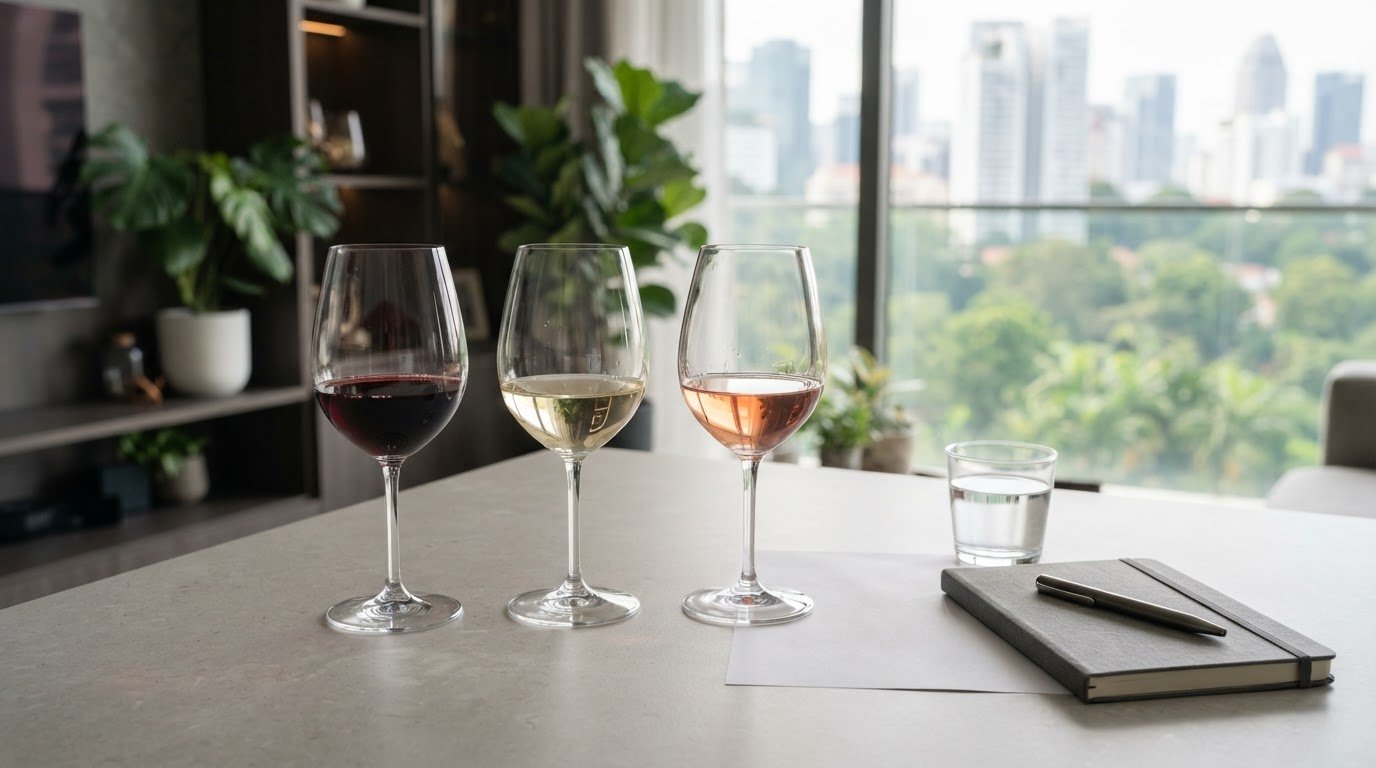
Singapore’s relentless heat is the primary adversary of any fine red. While traditional guides often suggest "room temperature," that advice fails in a climate where the mercury regularly hits 30°C. Serving a bottle of pinotage at ambient Singaporean temperatures causes the alcohol to dominate the palate, masking the nuanced fruit and spice you've paid to enjoy. To experience the wine as the winemaker intended, you must aim for a definitive serving range of 16°C to 18°C. This precision ensures the structural balance remains intact while the aromatics remain vibrant.
Chilling the Cape: The Tropical Serving Challenge
Don't let your wine sit out on the counter. Place your bottle in the refrigerator for approximately 20 minutes before you plan to pull the cork. This brief chill helps the liquid hit that "cellar temp" sweet spot without over-cooling the fruit. If the wine becomes too cold, you risk losing the delicate, red-berry aromatics inherited from its Pinot Noir parentage. Once poured into premium glassware, the wine will naturally warm up in the glass, allowing the bouquet to unfurl gradually. A wide-bowled glass is essential for effective aeration, providing the surface area needed for the wine to breathe and reveal its hidden layers.
Bold Bottles: Pairing Pinotage with Local Palates
The smoky, robust character of pinotage creates a spectacular synergy with Singapore’s bold culinary landscape. Its natural acidity and dark fruit profile can stand up to the intense spices found in local favorites. The wine’s subtle smokiness is particularly effective at complementing the "wok hei" flavors found in hawker classics, creating a dining experience that feels both adventurous and refined. Consider these pairings for your next dinner:
Full-Bodied Styles: Match these with the intense heat of Black Pepper Crab or the rich, coconut-infused spices of Beef Rendang.
Lighter, Modern Styles: These are the perfect companions for the savory depth of Char Kway Teow or the charred, spicy edges of BBQ Sambal Stingray.
Precision Protection: Essential Storage Solutions
Protecting your investment requires more than just a dark corner. Storing wine in kitchen cabinets or standard household refrigerators is a recipe for "cooked" wine. Fluctuating temperatures and a lack of humidity will quickly degrade the cork and the liquid within. For a collector in 2026, a specialized wine fridge for Singapore weather is a necessity. High-end units from Eurocave or Kadeka provide the vibration control and constant 65% humidity levels required to age your boutique labels with absolute precision. You can secure your professional wine storage solution today to ensure every bottle you open is in peak condition.
Curating Your Collection: Why Choose Stellez Vine
Finding the perfect pinotage in a crowded market requires more than just a passing interest; it demands the discerning eye of a specialist. Stellez Vine has served as Singapore’s dedicated curator of South African excellence since 2009. We act as a knowledgeable filter, selecting only the benchmark labels that represent the true potential of the Cape’s terroir. By maintaining direct, long-standing relationships with boutique wineries, we ensure that every bottle in our collection meets a rigorous standard of craftsmanship and authenticity. You don't have to do the research because we have already done it for you.
When you choose to build your collection through a specialized distributor, you gain access to a level of expertise that general retailers simply cannot match. We understand the soil, the climate, and the specific winemakers who are currently redefining the industry. This proactive approach allows us to secure exclusive imports and rare vintages that are often unavailable elsewhere in the region. Our logistics are tailored to the needs of the modern collector, offering seamless and dependable delivery across Singapore. We provide free delivery for orders above $300, while a $20 fee applies to smaller curated selections, ensuring your premium wines arrive in pristine condition.
A Tailored Selection of Boutique Labels
Our portfolio is a celebration of the modern renaissance we explored in earlier sections. We focus on rising stars like Savage Wines and other handpicked producers who prioritize purity, elegance, and terroir expression. Whether you are seeking a vibrant, fruit-forward expression for an afternoon gathering or a substantial, age-worthy bottle for your long-term cellar, our 2026 catalog offers unmatched variety. Explore our current stock and discover exclusive imports at our Online Wine Shop Singapore, where we simplify the path to luxury for every enthusiast.
Beyond the Bottle: Professional Support
Excellence in wine extends beyond the liquid in the glass. It involves the ritual of serving and the discipline of storage. We provide a holistic experience that includes professional-grade storage solutions from industry leaders like Eurocave and Kadeka. Our team offers personalized advice for home cellar stocking and sophisticated corporate gifting, ensuring your choices reflect a high standard of quality and heritage. We invite you to elevate your wine journey and capture the true spirit of South Africa with a partner you can depend on. Savor the finest South African excellence and begin your refined adventure with us today.
Elevate Your Collection with South African Excellence
You now understand that pinotage is far more than a historical experiment; it's a sophisticated "chameleon" grape that has successfully navigated its own global renaissance. By selecting handpicked boutique labels and mastering the technical nuances of tropical storage, you can unlock a world of intense fruit and refined structure. We have explored how modern winemaking has permanently replaced outdated myths with high-end craftsmanship that rivals the world's most prestigious regions.
As Singapore’s leading South African wine specialist since 2009, we're here to ensure your journey is seamless and rewarding. Every order benefits from our expert curation, tailored specifically for the local palate, and guaranteed temperature-controlled delivery to protect your investment from the humidity. Savor the finest South African Pinotage and shop the Stellez Vine collection today. It's time to embrace a refined adventure and discover a new benchmark for your home cellar.
Frequently Asked Questions
Is Pinotage a heavy or light red wine?
Pinotage is a versatile chameleon grape that ranges from light and ethereal to dense and muscular. Your choice depends entirely on the winemaking style. Modern expressions from regions like Swartland emphasize a lighter, fruit-forward profile reminiscent of Pinot Noir. Conversely, traditional full-bodied versions offer substantial tannins and deep concentration. This flexibility makes it an exceptional choice for collectors who enjoy varying their selection based on the occasion or the complexity of the meal.
Does Pinotage really smell like rubber?
The historical "burnt rubber" stigma was a result of poor temperature control and stressed vines in the past. Today, this flaw has been virtually eliminated by the "Pinotage Renaissance" and modern winemaking philosophies. Boutique producers now focus on lower yields and precise fermentation to ensure aromatic purity. When you select a premium bottle in 2026, you'll encounter vibrant notes of blackberry, plum, and sweet tobacco instead of the industrial aromas that once plagued the variety.
What is the best serving temperature for Pinotage in Singapore?
The definitive serving temperature for pinotage in Singapore’s tropical climate is between 16°C and 18°C. Serving it at ambient room temperature causes the alcohol to overpower the delicate fruit notes. Place your bottle in the refrigerator for 20 minutes before pouring to hit the ideal cellar-temp sweet spot. This brief chill preserves the structural balance and allows the complex aromatics to unfurl gradually in your glass without the interference of excessive heat.
How long can I age a bottle of Pinotage?
Aging potential varies significantly by style and production method. Lighter, fruit-driven bottles are best enjoyed within three to five years to capture their vibrant red-fruit character. However, premium full-bodied versions possess the tannic structure and concentration to age gracefully for ten to twenty years. These substantial wines develop complex savory notes of leather and dark chocolate over time. Always ensure your investment's protected in a professional-grade wine cabinet to manage humidity and temperature fluctuations.
What local Singaporean food pairs best with Pinotage?
This variety offers a spectacular synergy with the bold flavors of Singaporean cuisine. Its smoky undertones and robust fruit profile complement the "wok hei" of Char Kway Teow and the charred edges of BBQ Sambal Stingray. For full-bodied bottles, pair them with intense dishes like Black Pepper Crab or the rich, coconut spices of Beef Rendang. The wine's natural acidity cuts through the richness of local sauces, creating a balanced and refined dining experience that celebrates bold tastes.
Should I decant Pinotage before drinking?
Decanting is highly recommended for younger or full-bodied bottles to allow the aromatics to fully express themselves. Aeration softens the tannins and reveals the hidden layers of sweet tobacco and dark fruit. Aim for 30 to 60 minutes in a wide-bowled decanter before serving. For older vintages, a shorter decant's usually sufficient to separate any sediment while gently waking the wine. This simple step ensures you capture the complete sensory profile of every handpicked bottle.
Is Pinotage related to Pinot Noir?
Yes, it is the genetic offspring of Pinot Noir and Cinsault. Created in 1925 by Professor Abraham Isaac Perold, it was designed to combine the elegance of the "King of Burgundy" with the heat-resistant resilience of Cinsault. This heritage gives the grape its unique ability to produce wines that are both sophisticated and robust. It's a successful marriage of French tradition and South African terroir, offering a flavor profile that's entirely distinct from its parent varieties.
Where can I buy premium South African Pinotage in Singapore?
You can discover an exclusive selection of handpicked labels at Stellez Vine, Singapore’s leading specialist in South African wines since 2009. We act as a knowledgeable filter, sourcing only the best boutique labels like Savage Wines for our discerning clients. Every order is handled with temperature-controlled delivery to ensure the liquid arrives in pristine condition. Visit our online shop to explore the latest 2026 catalog and find the perfect addition to your home cellar.
Comments