
Wine Selection for a Wedding: Styles, Quantities and Planning

Updated: 1 day ago
The most memorable wedding wine isn’t necessarily the rarest bottle. It’s the one guests enjoy with the meal and the moment. A thoughtful wine selection for a wedding can feel daunting when tastes vary, the menu has several courses and you’re unsure how many bottles to order.
That uncertainty is understandable. Choose too narrow a range and some guests may feel overlooked; order without a plan and you risk running short or buying more than the reception needs. Let your guests, food and event schedule guide the selection instead of choosing bottles in isolation.
This guide shows you how to choose welcoming wine styles and estimate quantities around your guest count, reception length and service plan. You’ll also learn what to consider for a sparkling toast and how to coordinate wine with the menu. From crisp whites and versatile reds to bottles with regional character, the goal is a balanced selection that feels considered without making planning more complicated. Once your criteria are clear, exploring wines from South Africa, Thailand, Italy, France and Argentina becomes a simpler next step.
Table of Contents
Start your wedding wine selection with the celebration, not the bottle
A welcoming wine list doesn’t need to cover every grape, region or style. It should suit the people around your tables and the way the celebration unfolds. Start your wine selection for a wedding with the guest mix, meal format and timeline, then choose a focused range that feels generous without becoming difficult to serve.
Think of the bottles as part of the event’s rhythm. A seated dinner with several courses may call for a different mix from a standing reception where guests mingle and return to the bar. Consider whether beer, spirits or non-alcoholic drinks will also be available, since wine is only one part of the drinks plan. For a refresher before comparing bottles, this overview of the history and types of wine offers useful context.
Which wedding details should shape your wine choices?
Begin with the guest count, then estimate how many guests are likely to drink wine rather than assuming everyone will choose it. Note the reception’s duration and whether other drinks will share the bar. A longer celebration may need a different service plan from a short meal, while a wider choice of beverages can affect how much wine you allocate.
Let the menu guide you without dictating rigid pairings. A seated meal makes it easier to coordinate wine with courses; a standing reception may suit approachable styles that work across small plates. Consider how wine will be served, whether it’s passed during the welcome, poured at tables or ordered from a bar. These details shape the selection as much as the dishes do.
Guest profile: Record the guest count and your best estimate of the number of wine drinkers.
Event format: Decide whether guests will be seated, standing or moving between both.
Timing: Map the reception duration and key moments for serving wine.
Other drinks: List what else will be available alongside wine.
Meal sequence: Note the dishes and when each will be served.
How can you make the selection feel personal?
Choose one or two preferences that say something about you as a couple. It could be a country connected to a trip, a style you enjoy sharing at home or a bottle that suits the character of the meal. Keep the rest of the range accessible, so personal choices add meaning without making the selection feel exclusive or unfamiliar to guests.
A useful balance is to anchor the list with familiar, versatile styles, then include one distinctive option for guests who enjoy discovering something new. Make that choice a deliberate flourish, not a requirement for every course. A short menu note about a wine’s origin or character can also help guests choose with confidence.
Let your guest profile, menu and event format lead, then add a personal detail that makes the selection your own. Settle those essentials first, and browsing bottles becomes a focused decision rather than an open-ended search. Save optional flourishes, such as a special regional pick, until the core service plan is clear.
Choose wedding wine styles that give guests a balanced choice
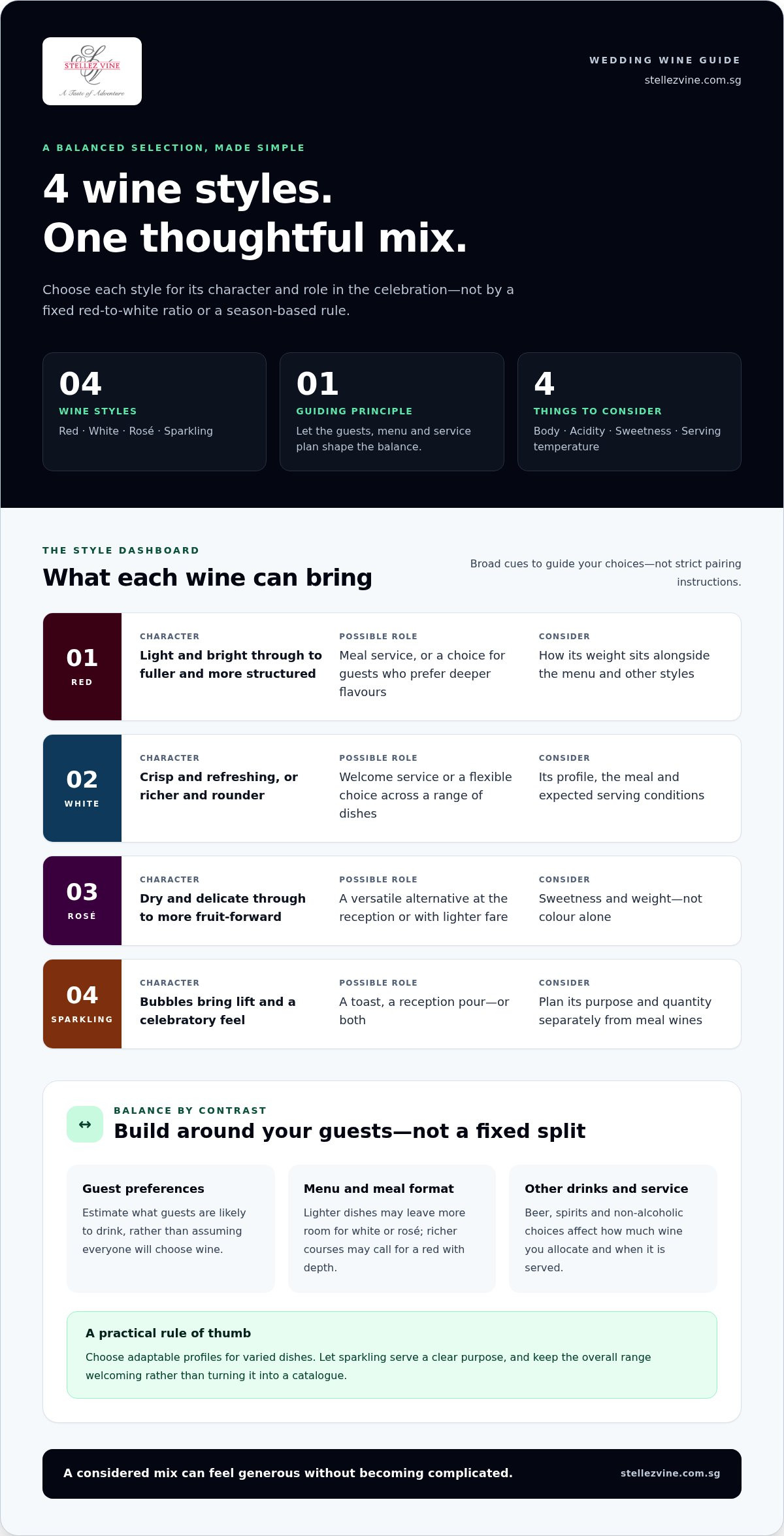
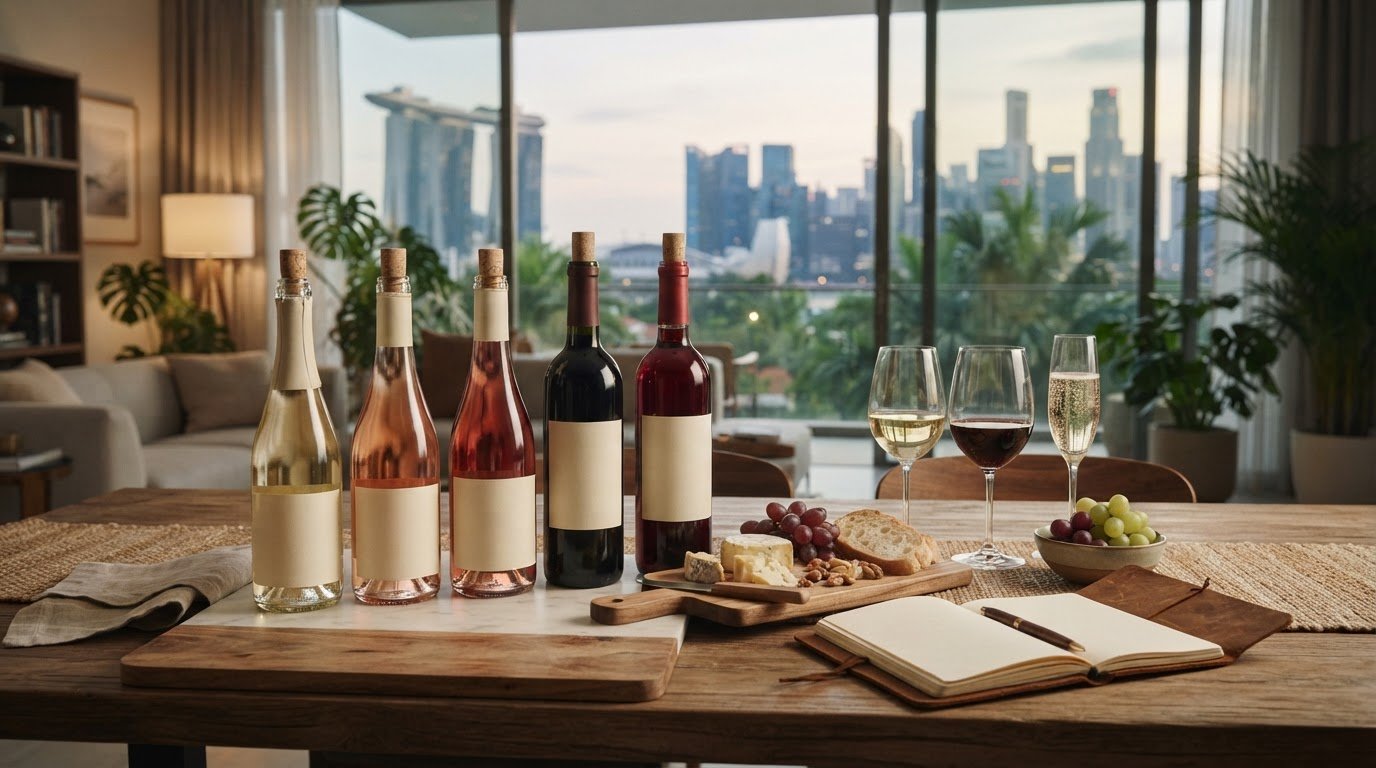
A balanced wine list gives guests options without turning the drinks plan into a catalogue. Think in terms of contrast: a red for those who enjoy more structure, a white or rosé with a fresher feel, and sparkling wine if it suits the welcome or toast. The right mix depends on your menu, guest preferences and service plan, not a fixed red-to-white ratio or season-based rule.
Use the comparison below to identify a possible role for each style. These are broad cues, not strict pairing instructions. A wine’s body, acidity, sweetness and serving temperature all affect how it tastes, so consider the whole meal and the conditions in which guests will drink it.
How should you balance red, white and rosé?
Red is one option for guests who enjoy fuller flavours or a more structured finish, but it doesn’t need to dominate the list. White can offer a crisp counterpoint, while rosé gives guests another option between red and white, with styles ranging from dry and subtle to fruitier. For a menu with varied dishes, choose adaptable profiles rather than assigning one bottle to every plate.
Build the proportions around what your guests are likely to drink and what else is available. If the menu includes several lighter dishes, you may choose to give white or rosé more room; a menu with richer courses may lead you to include a red with enough depth. There’s no universal split that fits every wedding.
When does sparkling wine belong in the plan?
Decide whether sparkling wine is for a single toast, an arrival pour or service throughout the reception. A toast is a brief shared moment; reception service means guests may return for more. Treat these as separate purposes when planning bottles, and don’t assume the sparkling choice must also be the wine served with dinner. Presentation sets a celebratory mood, while meal pairing depends on the wine’s character and the food.
Once you know which roles you need to fill, explore Stellez Vine Singapore's curated wines for options from established and emerging wine regions. A considered range can welcome familiar preferences while leaving room for discovery.
Estimate wedding wine quantities without relying on a fixed formula
A bottle estimate is a planning tool, not a prediction of exactly what every guest will drink. Wine Folly’s published starting point is to divide the guest count by 2.15 to estimate bottles. For 100 guests, that gives about 47 bottles. Use the result to begin your calculation, then tailor it to the reception rather than treating it as a universal order size.
For a more useful wine selection for a wedding, work through the details in order:
Count likely wine drinkers. Start with the confirmed guest total, then estimate how many are likely to choose wine. Account for guests who may prefer other drinks or not drink alcohol, rather than assuming every attendee will drink the same amount.
Map the service window. Note when wine will be available and for how long. Wine served only with the meal calls for a different estimate from wine poured from the reception onward. A 750 ml bottle yields about five standard 5-ounce servings, a practical conversion for translating pours into bottles.
Factor in other beverages. If beer, spirits or non-alcoholic options are also served, wine won’t be the only choice. Consider how prominent it is in the drinks plan and whether guests can switch between beverages.
Set aside toast wine. Estimate sparkling wine for the toast separately from wine served with the meal. One published rule of thumb is to divide the number of guests by seven for toast bottles; a 750 ml bottle provides about six toast-sized pours. Adjust if only some guests will take part or pours will differ.
Review service arrangements. Consider whether bottles will be poured at tables, offered at a bar or served during selected courses. Coordinate the estimate with the final event schedule and serving plan before placing an order.
What changes the number of bottles you need?
Guest count is only the first input. The number of likely wine drinkers, the length and timing of service, the rest of the drinks menu and the way wine is poured all affect the total. Avoid assuming every guest drinks equally. A reception with brief wine service alongside several alternatives differs from one where wine is available throughout the celebration.
How can you split the quantity across wine styles?
Begin with the balance you prefer, then adjust it to the menu and guest profile. If your guests tend to favour white, allocate accordingly; if the meal suits a red option, include enough to make it a genuine choice. A mixed selection spreads demand across styles and reduces reliance on a single bottle type. Guest count alone cannot determine an exact order.
Keep a simple tally for meal wines and toast pours, then compare it with the service timeline. This makes it easier to spot where an estimate may be too generous or too tight, and gives you a clear quantity plan to refine as the reception details settle.
Plan wine around the wedding menu, service and event logistics
A well-chosen bottle needs the right moment, temperature and service to show its best. Shape the wine plan around the reception sequence, from the first welcome pour to the meal and toast. This turns wine selection for a wedding into more than a list of styles: it connects each bottle to how guests will experience it.
How can wine complement a wedding menu?
Start with the main ingredients, preparation and intensity of each course. Delicate fish or vegetable dishes may sit comfortably alongside a crisp, lighter-bodied white, while richer sauces or roasted flavours can work with a wine that has more body. These are useful directions, not guaranteed matches. Seasoning, texture and accompanying sides can shift the balance.
Guest preference and service context matter, too. At a seated dinner, wines can be introduced alongside particular courses, while a buffet or roaming reception calls for adaptable choices guests can enjoy with different plates. Keep the plan flexible: complement the menu without making guests feel there’s only one correct glass for each dish. Couples looking for broader hosting inspiration can also explore an article about choosing wine for a dinner party.
What should you coordinate before the reception?
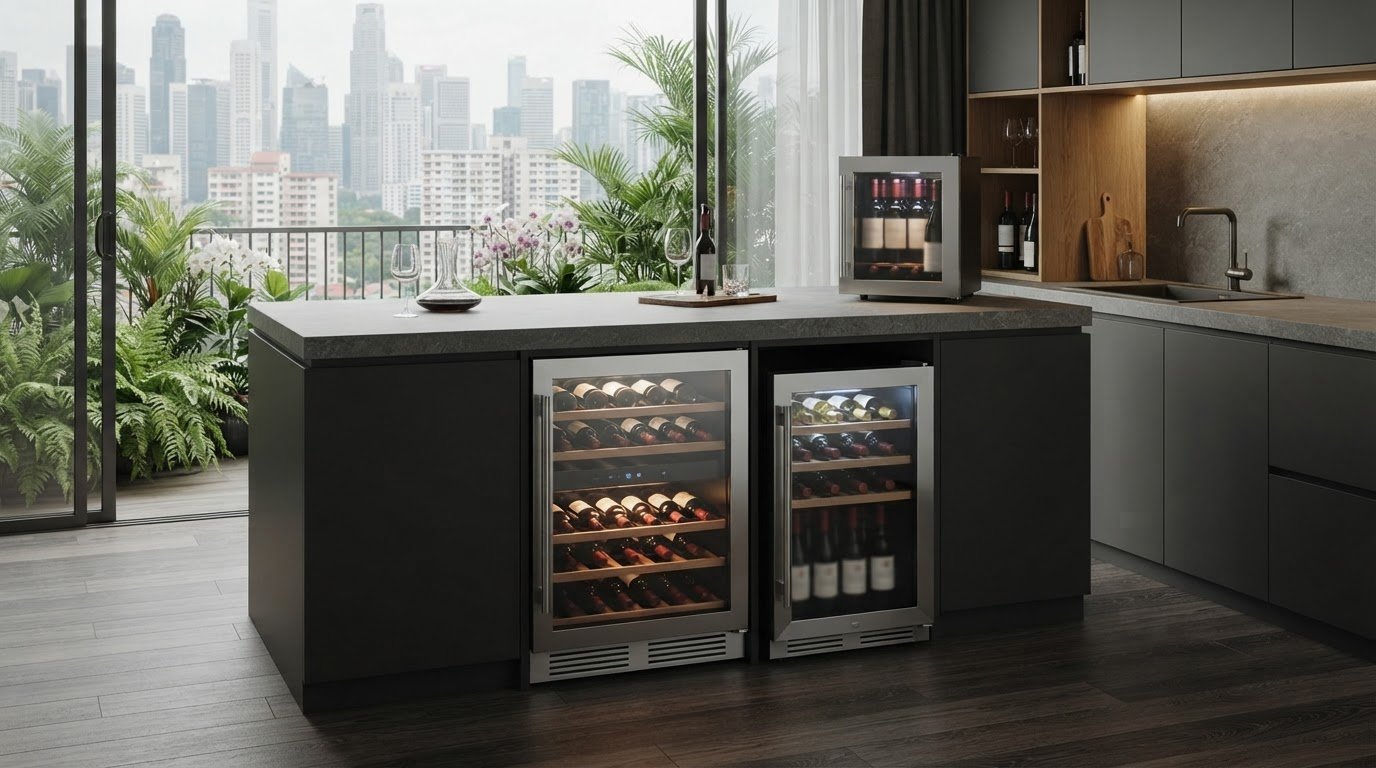
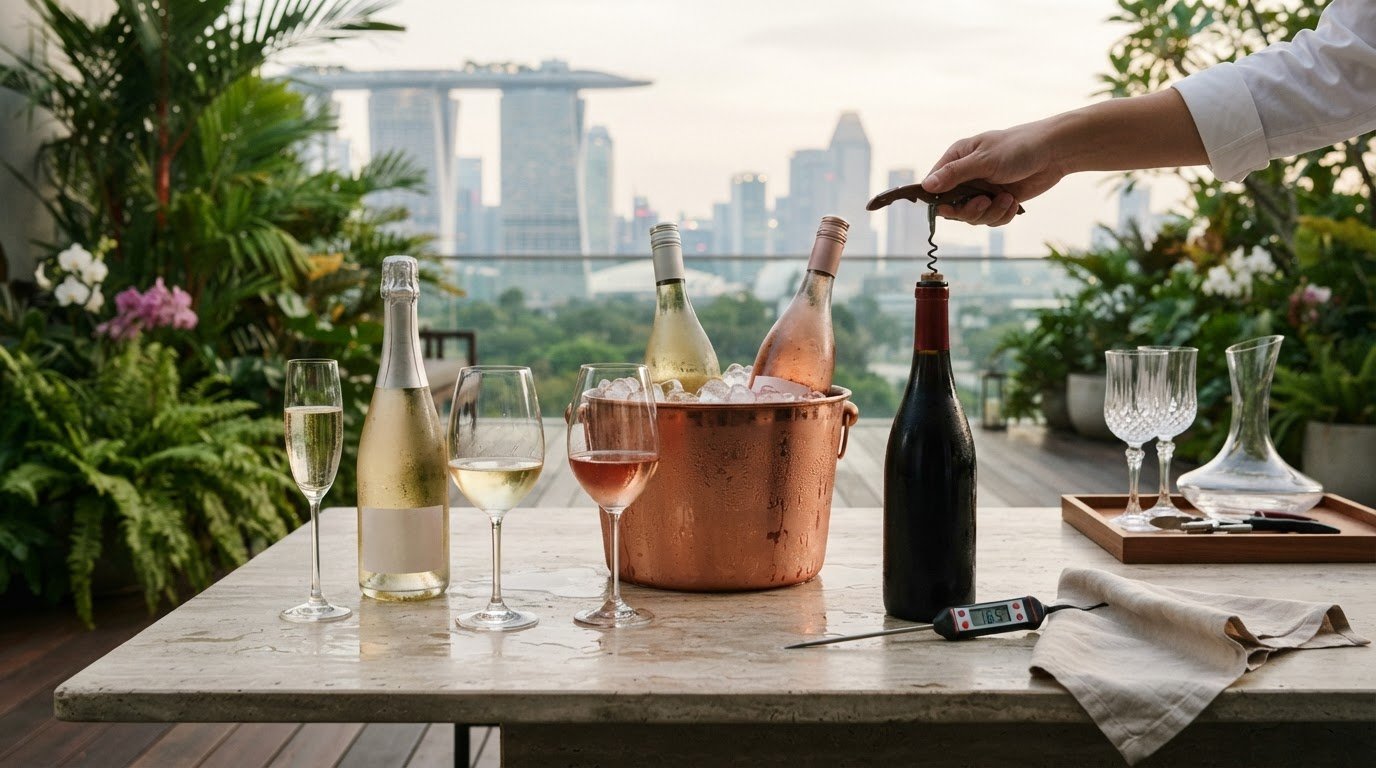
Agree on who handles chilling, opening and pouring each style, then match those tasks to the event schedule. In Singapore’s warm, humid conditions, plan to keep wines intended to be served chilled in suitable storage until service, rather than leaving them out in the heat. Set out glassware before each service moment and consider whether guests will keep the same glass or receive a fresh one for another style.
Welcome: Decide whether guests will be offered wine on arrival or choose it from a bar.
Meal: Tell the service team which bottles are intended for the meal and when they should be opened or poured.
Toast: Keep sparkling wine reserved for the toast separate from bottles allocated to meal service.
Glassware: Match the number and type of glasses to the styles served and how the reception flows.
Pouring: Assign responsibility for keeping service moving, replenishing bottles and avoiding confusion between styles.
A clear run sheet helps everyone understand what to serve and when. Include the wine style, service moment and person responsible, then review it alongside the final menu and reception timeline. If several styles will be served, make their labels or serving areas easy to distinguish so the right bottle reaches the right moment.
With the menu and service sequence in hand, explore curated wines for your wedding plan and consider how each choice will fit the celebration.
Turn your wedding wine plan into a curated bottle selection
You’ve established what the celebration needs: who is likely to drink wine, which styles suit the menu, how many bottles to plan for and how service will work. Now bring those choices together. A clear brief makes browsing more focused and helps you build a wine selection for a wedding that feels welcoming, personal and practical.
Keep the brief simple. Note the styles you want, their roles in the reception, your estimated quantities and any serving considerations. Use it to compare wines by character and origin, rather than choosing bottles solely because a label looks appealing. That leaves room for discovery while keeping every choice connected to the event.
How can international wines add character to the selection?
Different countries offer a natural way to add variety and a sense of discovery. Stellez Vine’s curated range includes wines from South Africa, Thailand, Italy, France and Argentina. Its offerings include GranMonte, Matias Riccitelli, Chateau Canon Chaigneau and Casa Vinicola Caldirola. Explore each wine by style and how it fits your plan, rather than assuming a particular origin guarantees a match for a dish.
If South African wines interest you, use the related guide to explore that selection in more depth without losing sight of your guest mix and service needs. A wine from a particular country can make the list feel distinctive, while familiar styles elsewhere in the selection help keep it accessible to a varied group.
What is the simplest next step after planning?
Take your brief to the online shop and browse with a purpose. Start with the styles you’ve prioritised, then compare options by country and producer. Stellez Vine offers online shopping and delivery within Singapore, so you can explore international wines from home as you refine the selection. The online wine shop guide can also provide context for browsing and choosing wines online.
Before settling on bottles, compare the shortlist against your serving plan: which wines are for the meal, which are for the toast and how will each be presented? This final pass helps keep the selection coherent, rather than letting extra options creep in simply because they caught your eye. A considered range can be varied without being sprawling.
With the event details guiding your choices, you can move from planning to bottles with confidence. Explore wines for your wedding selection and shape a thoughtful range around your celebration.
Make the final choice feel like yours
The best wedding wine list doesn’t need to impress with complexity. It should feel considered, welcoming and connected to the celebration you’re creating. Let the choices reflect your taste as a couple, while giving guests an easy way to find a glass they’ll enjoy.
As you browse, look beyond familiar labels and use each country as an invitation to discover something distinctive. Stellez Vine’s curated wines span South Africa, Thailand, Italy, France and Argentina, with online shopping and delivery within Singapore. Keep your shortlist anchored to the experience you want to create, and choose bottles that bring thoughtful variety and a sense of occasion to the table.
Your wine selection for a wedding can be refined without becoming complicated. Explore wines that fit your plans and build a selection that feels personal from the first pour to the last toast.
Explore Stellez Vine's curated wines for your wedding selection, and start shaping a celebration that feels distinctly yours.
Frequently Asked Questions
How much wine should you buy for a wedding?
Base your order on the guests expected to drink wine and the moments when it will be served, then compare that estimate with your final attendance and service plan. A reception with wine only during dinner needs a different allocation from one offering it from arrival. Before ordering, find out how unopened bottles are handled, if applicable, and keep toast bottles distinct from the meal allocation.
What types of wine should you serve at a wedding?
Choose a small range with different flavour profiles rather than trying to represent every wine style. A dry, crisp option can appeal to guests who like freshness, while a fruit-forward choice may suit those who prefer softer flavours. Consider sweetness as well as colour, and include a non-alcoholic drink option for guests who aren’t drinking wine. Clear menu descriptions can help guests make an easy choice.
Should a wedding serve red or white wine?
Serve red, white or both according to your guests and meal, not a fixed rule. If you’re choosing one style, consider which is more likely to appeal to your group and suit the range of dishes. For example, a menu with varied lighter courses might favour white, while guests who enjoy richer flavours may appreciate a red option. A second style offers welcome choice if your plan allows.
Is sparkling wine necessary for a wedding toast?
No. Sparkling wine is a classic toast choice, but the moment matters more than the bubbles. You can raise a glass of the wine already being served or offer a non-alcoholic alternative so everyone can join in. If you choose sparkling wine, plan how it will be served and whether you want it only for the toast or as a reception drink too. For couples looking to mark the toast with traditional drinkware or personalised gifts for the wedding party, engraveitnow.co.uk offers an in-depth guide to timeless engraved keepsakes.
How do you choose wine for a wedding menu?
Look at the dominant flavours, sauces and preparation, not just the main ingredient. A simply grilled dish and a richly sauced version of the same protein can call for different wine profiles. For menus with chilli, spice or strong seasoning, avoid assuming a conventional pairing will suit every guest; consider how sweetness, acidity and intensity may interact. Choose wines that complement the overall meal without demanding a perfect match.
Can you serve different wines at a wedding reception and dinner?
Yes. Give each wine a clear role so the change feels intentional: a lighter, easy-to-enjoy pour during the reception, followed by a choice suited to the dinner menu. Keep the service instructions straightforward, especially if bottles are being switched between moments. A short drinks menu naming each wine’s occasion can guide guests and help prevent reception bottles from being mistaken for those reserved for dinner.
Comments