
Common Wine Tasting Terms: Key Wine Traits Explained

Dry wine can still taste vividly of fruit. “Dry” describes a lack of perceived sweetness, while “fruit-forward” describes prominent fruit aromas and flavours, so fruity notes don’t necessarily mean a wine is sweet. With common wine tasting terms explained in plain language, you can tell these sensations apart and describe what you’re tasting more clearly.
It’s easy to mistake richness, ripe fruit and sweetness for the same thing. Learn how acidity, tannin, alcohol, body and finish shape a wine’s character, and how terroir helps explain its sense of place. Then use practical tasting language to share your impressions confidently, whether you’re choosing a bottle or describing one you’ve enjoyed.
Table of Contents
Acidity, tannin, sweetness and alcohol
Aroma is what wine smells like; flavour is what you perceive on the palate. A wine may smell of citrus and taste of apple, while acidity, tannin, sweetness and alcohol shape its overall balance.
Acidity and Freshness
Acidity is the mouth-watering quality that can make wine taste zesty and refreshing. In a crisp wine, this sensation feels lively rather than sharp. Notice how it brightens citrus or green-apple aromas without turning them into flavours. At the table, acidity can cut through rich, fatty dishes, while food with pronounced acidity can make a less-acidic wine taste flat. A flabby wine lacks this lift.
Tannin and Mouthfeel
Tannin is a wine component that creates a drying, sometimes bitter sensation in the mouth. In red wines, it often comes from grape skins and seeds during maceration; stems and oak ageing can contribute too. Notice whether your teeth, gums, tongue or inner cheeks feel dry after a sip. Tasters may describe tannin as soft, firm or astringent, depending on how strongly it grips. Tannin can shape the finish without making the wine taste sweet or acidic.
Sweetness and Acidity
Sweetness is the perceived sugary quality of a wine. A dry wine lacks a perceived sense of sweetness, but it can still taste fruit-forward: ripe fruit aromas and flavours aren’t proof of residual sugar. Acidity provides contrast, keeping sweetness from seeming cloying, or sticky and sickly. Compare the wine’s first impression with its finish: balanced acidity can leave a sweet wine feeling fresher, while too little acidity can let sweetness dominate.
Alcohol and Balance
Alcohol is the component shown as alcohol by volume, or ABV, on a wine label. The average bottle contains between 9% and 16% ABV; lighter-bodied French Pinot Noir may sit around 12%, while full-bodied Malbec or Zinfandel often exceeds 14%. A warm or hot throat sensation can signal higher alcohol. Balance describes tannin, acidity, sweetness and alcohol working together, rather than one element overpowering the others.
What are the most useful wine tasting terms for a beginner?
Start with weight, texture and how long flavours linger; these terms turn a sip into a clear description. Common wine tasting terms explained through sensory examples give beginners a practical vocabulary.
Body, Length, and Complexity
Body is a wine’s general weight on the palate; length is how long its flavours linger; complexity is the range of discernible aromas, flavours and nuances. A light-bodied wine feels less weighty than a full-bodied one, while a lingering finish remains noticeable after swallowing. To taste methodically, look at the wine, smell it, sip, then notice its texture and finish. Compare how it changes across your palate.
Red, white, rosé and sparkling describe different wine styles, but the same tasting terms can describe them all. Red wines ferment with grape skins, while white wines are made with the skins removed. Describe each style by its aroma, body and finish.
Bitterness and Mouthfeel
Mouthfeel describes how wine feels in the mouth, while bitterness is a taste sensation that may linger. A wine might feel smooth, velvety, rough or furry, even when its flavour is fruity. Notice where bitterness appears, such as on the tongue or in the finish. “Silky with a bitter finish” separates texture from flavour more clearly than calling the whole wine bitter.
For a simple tasting method, look, smell, sip, then consider the finish. This sequence helps you notice appearance, aroma, taste and lingering sensations without rushing.
Balance and Alcohol Content
Balance describes how a wine’s elements work together without one overwhelming the others. Fuller-bodied wines are usually higher in alcohol, while lighter-bodied wines tend to be lower. Compare the wine’s weight with its acidity, sweetness and tannin to describe its structure. In Singapore, these terms work as sensory descriptions; follow the host’s cues for tasting etiquette.
Common wine tasting terms explained through specific sensations can make notes more precise: record what you smell, taste and feel rather than judging a wine as simply good or bad.
Common Wine Faults
A wine fault is an unwanted aroma or taste that distracts from the wine’s character. Cork taint refers to an unwanted musty smell or taste associated with cork taint, while oxidation describes wine exposed to too much oxygen. Reduction can produce unwanted sulphurous or struck-match-like aromas. Distinguish these from fruit, oak or ageing notes by describing what you notice rather than guessing the cause.
Terroir's influence on wine characteristics
Terroir describes the environmental factors that shape a wine’s character, including location, soil, terrain, climate and farming techniques. These influences help explain why grapes of the same variety can produce wines with distinct aromas, textures and overall character.
Grape variety names the kind of grape used, while terroir describes the conditions in which it grows. Pinot Noir, for example, can taste different from one growing site to another, even when producers are a few hundred metres apart. Differences in soil, slope, climate and vineyard practices affect how grapes develop and how winemaking captures their qualities. Terroir doesn’t replace the grape’s identity; it shapes its expression.
A varietal wine is identified by its grape variety, while vintage refers to the year its grapes were harvested. Read both details together: “Pinot Noir” points to the grape, and the vintage places the harvest in a particular year. The growing conditions of that year influence the fruit available to the winemaker. Winemaking decisions then shape the finished wine, so its aromas and texture reflect both origin and production.
Wine regions provide a useful sense of origin because they group vineyards with shared geographical and climatic characteristics. Yet a region’s name doesn’t make every bottle taste alike. Local terrain, soil and farming methods create variation within a region, while producer choices add further distinction. Describe a wine’s origin alongside what you actually notice, such as fresh fruit aromas, earthy notes or smooth texture, rather than treating a place name as a flavour guarantee.
Use terroir as context, not a tasting shortcut. First name the grape or region, then record the wine’s aromas, texture and finish. A French Pinot Noir, for instance, gives you a grape and origin to discuss, while your own descriptors communicate its specific character. This approach connects vineyard conditions to the glass without assuming that every wine from one place tastes the same.
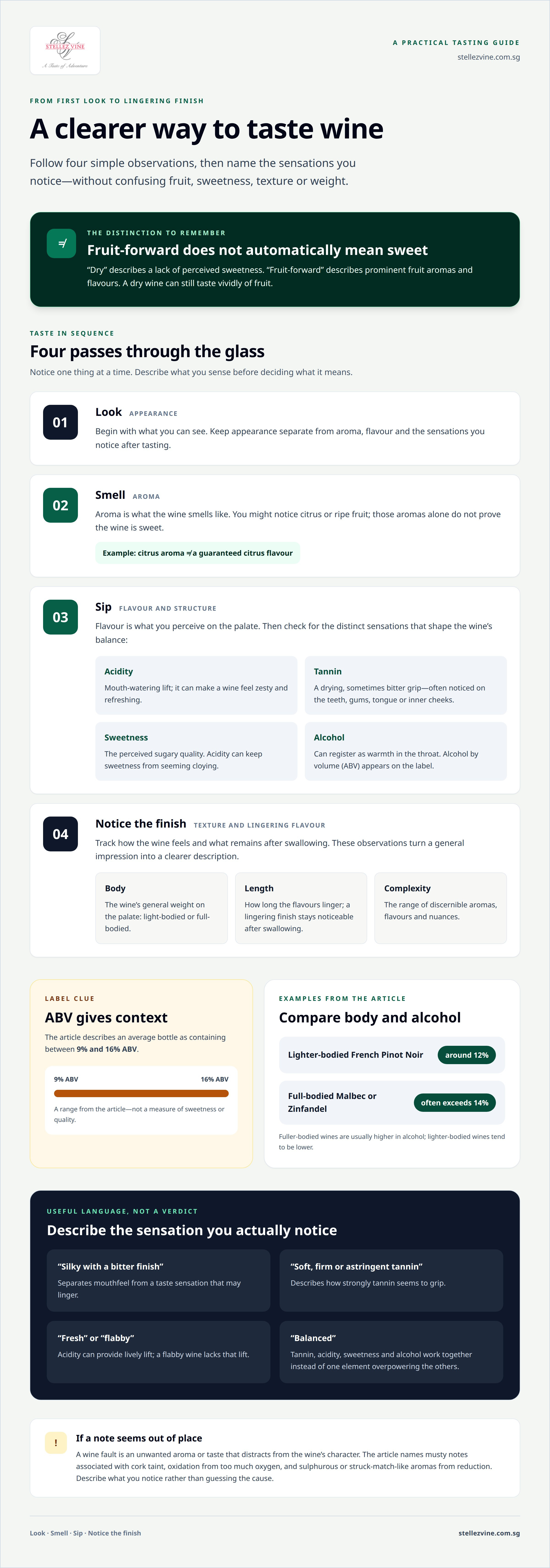
How wine vocabulary communicates tasting experiences
Precise wine terms turn a personal impression into a description others can picture. Start with visible details, then connect aromas, taste and finish to the wine’s character.
Color, Aroma, Taste, and Finish
Colour describes the wine’s appearance, aroma refers to its smell, taste describes sensations on the palate, and finish is what remains after swallowing. Begin with a simple observation, such as “pale lemon” for a white wine or “ruby red” for a red. Then name a scent, like citrus or flowers, and a taste, such as apple or spice.
Follow the wine’s sequence: look at the glass, smell before sipping, then notice the first taste and lingering finish. Aroma can reflect grapes, fermentation or ageing. For example, fresh fruit notes may stand out in a young wine, while an aged bottle can suggest dried fruit, leather or earth. Add a body descriptor, such as light-bodied or full-bodied, to make the picture more complete.
Subjective and Misunderstood Terms
Subjective tasting terms describe personal impressions, so different tasters may choose different words for the same wine. “Elegant,” “earthy” and “smooth” can communicate useful sensations, but they don’t have one fixed meaning for every palate. Explain the specific impression behind the label: “smooth” might mean a soft texture, while “earthy” could suggest soil or a forest-floor aroma.
Some terms are commonly misunderstood because smell and taste overlap. “Fruit-forward” refers to prominent fruit aromas and flavours, not necessarily sweetness. “Oaky” may describe vanilla or toast notes, while “complex” suggests several discernible aromas, flavours and nuances. Terroir gives context about origin, but it doesn’t dictate exactly what each person will perceive.
Keep tasting notes specific and brief: record the colour, two aromas, one taste and the finish. Compare notes with another taster; differences reveal how personal language shapes a shared experience. Explore wines and practise describing their character with these sensory terms.
Stellez Vine Singapore
Stellez Vine, the leading wine distributor in Singapore, helps turn tasting vocabulary into a more confident way to explore wine. If terms such as fruit-forward, balanced or full-bodied have sparked your curiosity, discover South African Wines and Savage wines, then describe their aromas, texture and finish. Notice which qualities you enjoy and use those impressions to guide your next bottle choice.
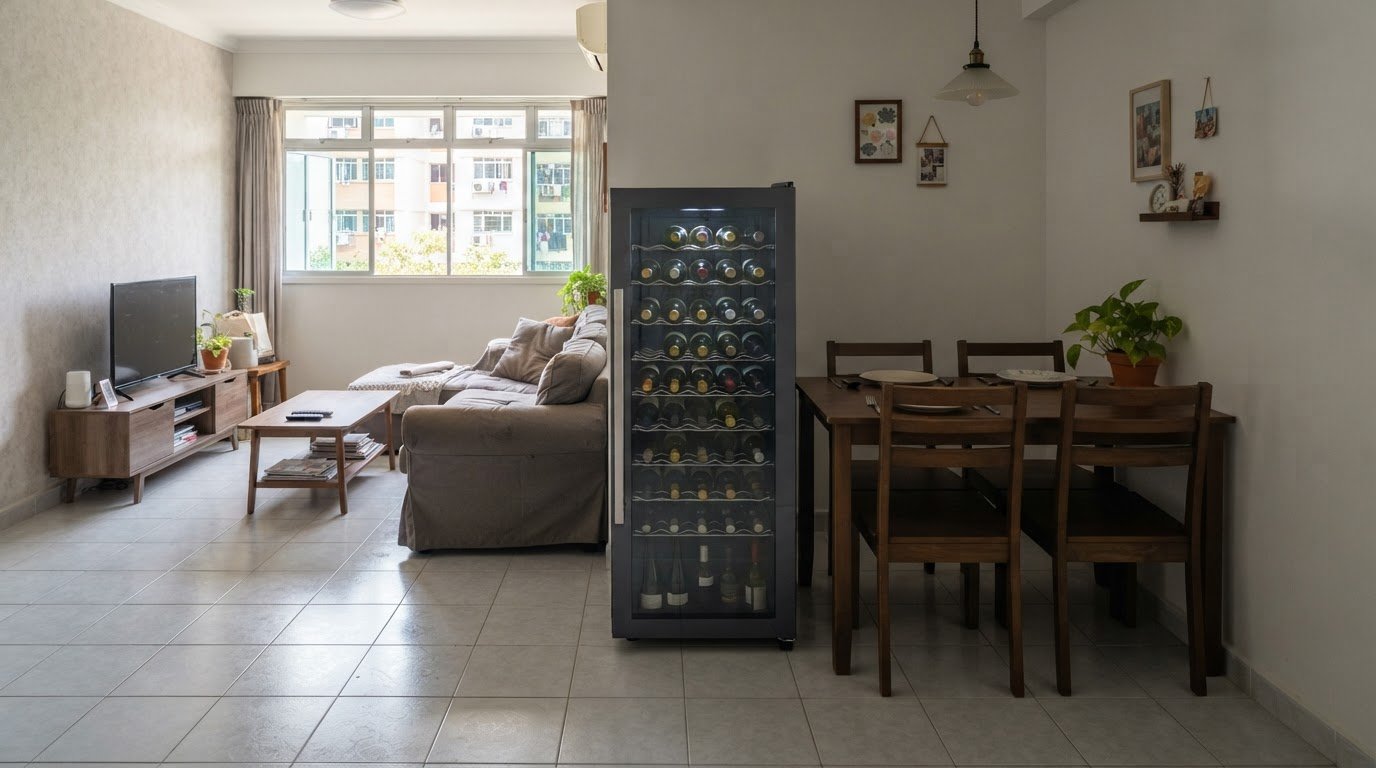
For readers who want to preserve wine at home, Kadeka Wine Chillers, Eurocave Wine Fridges and Stellez Vine Singapore Wine Cabinets provide storage options. Explore the wines or storage solutions that suit your interests, and contact Stellez Vine Singapore to continue the conversation.
Put Your Tasting Vocabulary to Work
Once you have common wine tasting terms explained, let curiosity guide what you notice next. Choose a bottle that feels unfamiliar, take your time with it, and record the words that best capture your experience. Your notes don’t need to sound like a critic’s. A clear phrase such as “bright, floral and lingering” can help you remember what you enjoyed and explain your preferences as you explore new wines.
Build your vocabulary one tasting at a time. Compare your impressions with a friend, revisit a grape or region you’ve enjoyed, or try a style that challenges your usual choices. Each glass offers a fresh chance to refine what you like and discover new dimensions in wine.
Ready to continue exploring? Start a conversation with Stellez Vine Singapore and take your next step with confidence.
Frequently Asked Questions
Does dry wine mean the wine is not fruity?
No. “Dry” describes the impression of sweetness, while fruitiness describes flavours or aromas associated with fruit. A dry wine can suggest cherries, peach or citrus without tasting sweet. For a useful note, keep those observations separate: write “dry, with cherry aromas” rather than treating ripe fruit as proof of sugar. This distinction helps communicate your preference more clearly when choosing another bottle.
What does terroir actually mean?
Terroir is the combination of a wine’s growing environment and vineyard practices that contributes to its character. Imagine two vineyards growing the same grape: differences in climate, soil, terrain and farming can shape how the grapes develop. Producers also make choices in the winery, so origin is one part of a wine’s story, not a guarantee that every bottle from a region will taste alike.
What are the most common wine tasting terms and what do they mean?
Common tasting vocabulary includes aroma, body, acidity, tannin, finish and balance. Aroma describes what you smell; body describes weight on the palate; finish refers to sensations that remain after swallowing. Acidity can feel mouth-watering, while tannin may create dryness. Balance describes how a wine’s elements work together. Try combining terms in a short note, such as “light-bodied, floral, with a lingering finish.”
What do dry, sweet, acidity, tannin, and body mean in wine tasting?
These terms describe different sensations, not a single scale. Dry and sweet describe perceived sweetness; acidity suggests a mouth-watering lift; tannin describes a drying grip; body refers to weight in the mouth. For example, a wine could feel full-bodied yet dry, or light-bodied with noticeable acidity. Naming each quality separately makes comparisons more precise than calling a wine simply “strong” or “soft.”
What do finish, balance, complexity, and structure mean when describing wine?
Finish is the impression left after swallowing, while balance describes how the wine’s components fit together. Complexity refers to the range of discernible aromas, flavours and nuances. Structure describes the framework created by elements such as acidity and tannin. To use these terms together, note whether flavours linger, whether any element dominates, and whether the wine reveals several distinct impressions as you sip.
How do wine professionals assess sweetness, acidity, tannin, and alcohol levels?
Professionals assess these qualities through sensory tasting, then describe how strongly each is perceived and how it relates to the whole wine. They notice sweetness on the palate, acidity’s mouth-watering effect, tannin’s drying grip and any warming sensation from alcohol. The label also provides alcohol by volume as a percentage. Tasting language describes perception; the ABV figure supplies the stated alcohol concentration.


Comments