
Chinese New Year wine pairing ideas for fish, pork and chicken

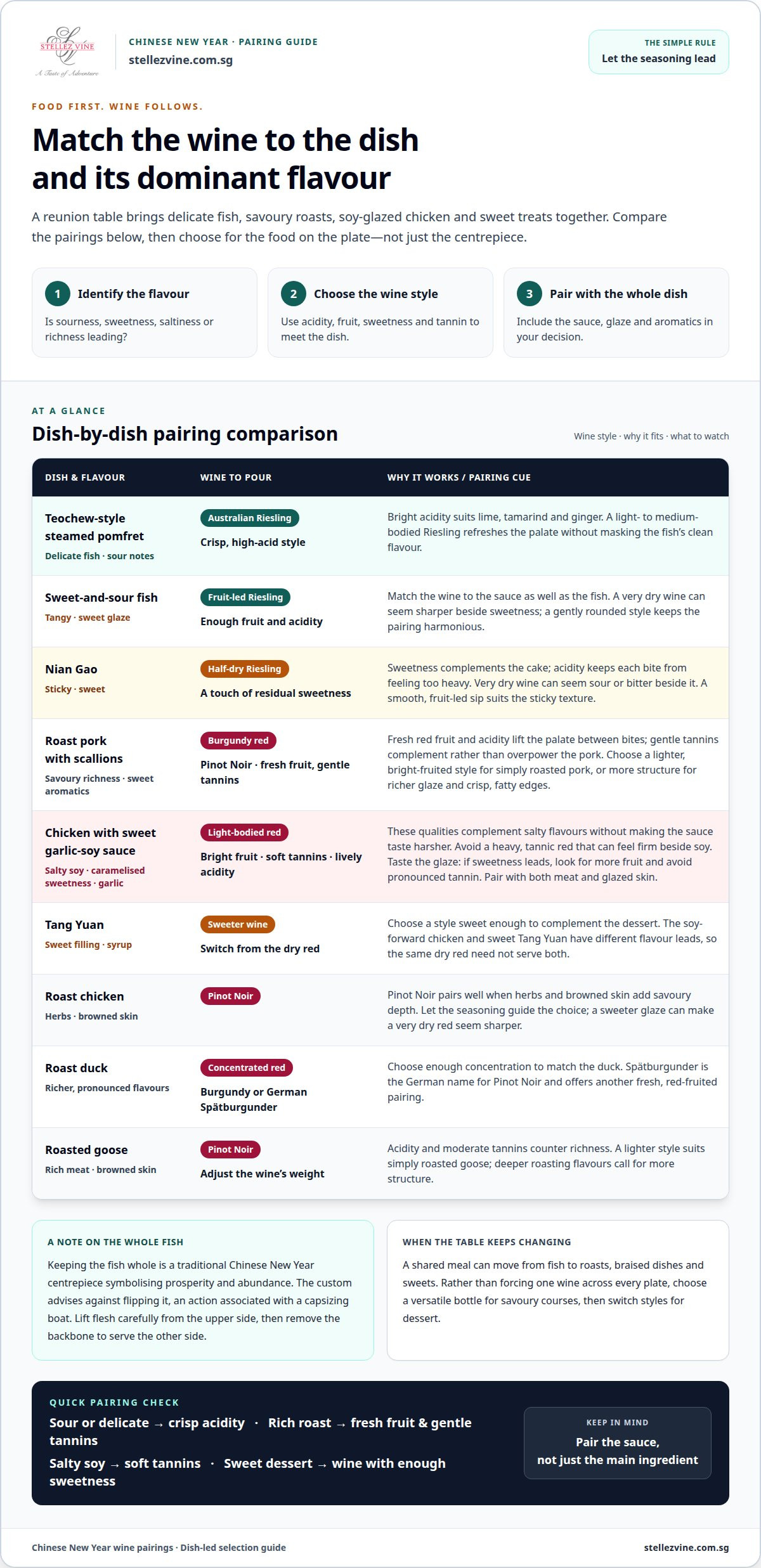
A single bottle rarely flatters every dish on a Chinese New Year table. The best Chinese New Year wine pairing ideas match each wine to the food: crisp Australian Riesling brings lift to Teochew-style steamed pomfret, while a soft-tannin red with bright fruit suits garlic-soy chicken. For roast pork and a spread of shared dishes, consider the seasoning, richness and range of flavours before choosing what to pour.
It’s easy to focus on the centrepiece, but a reunion meal brings contrasting textures and tastes to the table. Explore pairings for steamed pomfret, roast pork and garlic-soy chicken, then see how sparkling wine and other flexible styles can refresh the palate across a shared feast. These practical matches help you pour with confidence, whether you’re serving one favourite dish or a generous spread.
Table of Contents
1. Australian riesling with Teochew-style steamed pomfret
Pair Teochew-style steamed pomfret with Australian Riesling, whose bright acidity suits the dish’s sour notes. Lime, tamarind and ginger bring fragrance and tang, while the fish’s delicate flesh calls for a light- to medium-bodied wine. A crisp Riesling refreshes the palate without masking the pomfret’s clean flavour. This is a precise match for a preparation where sour seasoning matters as much as the fish.
Keep the fish whole for a traditional Chinese New Year centrepiece. Serving whole fish symbolizes prosperity and abundance, and the custom advises against flipping it, which is associated with a capsizing boat. Instead, lift the flesh carefully from the upper side, then remove the backbone to serve the other side. The Australian Riesling remains a graceful choice as guests share the dish.
For sweet-and-sour fish, choose a Riesling with enough fruit to meet the sauce’s sweetness and enough acidity to balance its tang. A very dry wine can seem sharper beside a sweet glaze, while a gently rounded style keeps the pairing harmonious. Match the wine to the sauce, not just the fish: a lime-forward preparation needs more freshness than a sweeter, richer glaze.
Nian Gao calls for a different style. Its sticky sweetness can make a very dry wine seem sour or bitter, so serve it with half-dry Riesling. A touch of residual sweetness complements the cake, while the wine’s acidity keeps each bite from feeling too heavy. Pour it alongside a plain slice or a lightly pan-fried piece; stronger toppings can shift the balance.
Are sweet or dry wines better with spicy and sweet Chinese New Year foods? A lightly sweet or half-dry wine generally suits sweet sauces and spicy dishes better than a very dry wine, which can taste sharp beside sweetness. For sour pomfret, however, crisp, high-acid Riesling is the more focused match. Let the seasoning lead, then choose the wine’s sweetness accordingly.
Use this simple sequence: identify the dominant flavour, whether sour, sweet or spicy; choose Riesling for its acidity or sweetness to complement it; then serve the wine with the specific dish. This makes these Chinese New Year wine pairing ideas practical for steamed pomfret, sweet-and-sour fish and Nian Gao.
2. Burgundy red with roast pork and scallions
Pour Burgundy red with roast pork and scallions when you want the wine to complement, not overpower, the meal. Pinot Noir’s fresh red-fruit character and gentle tannins suit pork’s savoury richness, while its acidity lifts the palate between bites. Scallions add a sweet, aromatic edge, so a restrained, medium-bodied bottle keeps the pairing balanced. A heavy, highly tannic red can dominate the pork and leave a coarse finish.
Let the preparation guide your choice. For simply roasted pork, look for a lighter Burgundy with bright fruit and an elegant finish. If the meat has a richer glaze or crisp, fatty edges, choose a more structured Pinot Noir that can stand alongside those flavours. Serve the wine with the sliced pork and scallions together, rather than judging the match from the meat alone.
Roast chicken also pairs well with Pinot Noir, especially when herbs and browned skin add savoury depth. Roast duck has richer, more pronounced flavours, so choose a red with enough concentration to match it. Burgundy remains a graceful option, while German Spätburgunder, the German name for Pinot Noir, offers another fresh, red-fruited pairing. Keep the seasoning in mind: a sweeter glaze can make a very dry red seem sharper.
For roasted goose, Pinot Noir’s acidity and moderate tannins counter the meat’s richness. Compare the preparation with the wine’s weight: a simply roasted goose suits a lighter style, while deeper roasting flavours call for more structure. Choose a bottle that complements the browned skin and savoury meat without eclipsing either.
For your reunion table, pair the wine with the finished dish, including its sauce and aromatics. Explore a curated wine selection when choosing a bottle for roast pork, chicken or duck.
3. Light-bodied red wine for chicken with sweet garlic-soy sauce
Sweet garlic-soy chicken brings together salty soy sauce, caramelised sweetness and garlic aroma. Choose a light-bodied red with soft tannins, bright fruit and lively acidity. These qualities complement salty flavours without making the sauce taste harsher. A heavy, tannic red can feel firm beside soy sauce, while a delicate red preserves the chicken’s savoury detail. Serve it with both the meat and glazed skin, since the coating shapes each sip.
For Nian Gao and other sweet treats, pay attention to the wine’s sweetness. Sweet Chinese flavours pair better with wines that have enough sweetness of their own. A very dry red can taste bitter, tannic or sour beside a sugary bite. Match the wine to the dessert’s sweetness, then consider its texture: sticky Nian Gao calls for a smooth, fruit-led sip rather than a forceful, drying finish. This keeps the cake’s gentle flavour in focus.
Tang Yuan, with its sweet filling and syrup, also pairs well with a sweeter wine. Choose a style that complements the dessert instead of relying on the dry red served with the chicken. The contrast matters: soy sauce brings saltiness, while Tang Yuan puts sweetness first. If both dishes share the table, pour the light-bodied red with the chicken, then switch to the sweeter wine for dessert.
Use the sauce as your guide. Taste the garlic-soy glaze with a piece of chicken, then decide whether salt or sweetness leads. For a savoury, soy-forward version, choose a red with soft tannins and bright fruit. For a sweeter glaze, look for more fruit and avoid pronounced tannin. With Nian Gao or Tang Yuan, choose a wine that can meet the dessert’s sweetness. These Chinese New Year pairings let each dish keep its character, from savoury chicken to a sweet final bite.
4. Pairing wine with shared Chinese New Year meals
A shared reunion table moves from fish to roast meats, braised dishes and sweet treats. Rather than forcing one wine across every plate, choose a versatile bottle for the savoury courses, then switch styles for dessert.
For steamed fish, pour crisp Riesling with lively acidity, especially alongside lime or tamarind seasoning. Roast duck has richer flavours, so choose a fruit-forward red with moderate tannins. For braised dishes, match the wine to the sauce: fuller-bodied whites or reds with some oak can soften bitter ginger and herbs, while savoury wines with restrained tannins suit mushrooms, fermented beans and cured meats.
Sparkling wine is a flexible choice when several dishes are served together. Its acidity and bubbles refresh the palate; a touch of sweetness or a rosé style bridges a wider range of flavours. Serve it as an opening pour or keep it alongside shared plates. For yu sheng, the guide pairs Biscardo Neropasso Rosso Veneto 2022, while dry sparkling wine can work with lighter, savoury bites.
In Singapore, buy from a local wine retailer and compare bottles by their food match and style. Prices vary by producer and wine, so set your spending limit before choosing. A domaine name matters less than how the wine works with the food.
For a non-alcoholic option, serve sparkling tea or alcohol-free sparkling wine. Both offer a celebratory glass without alcohol, and sparkling tea pairs especially well with varied savoury dishes.
Keep the table simple: pour a bright sparkling wine for variety, then add a red suited to richer meats. Explore wines for your reunion table and choose a bottle that fits the menu.
Stellez Vine Singapore
Stellez Vine Singapore offers a curated selection to help you choose a wine for your Chinese New Year menu, from delicate fish to richly seasoned meats and shared dishes. Explore South African wines or Savage wines when selecting a bottle to complement the flavours at your table. A considered choice can bring freshness to savoury courses and carry the celebration through the meal.
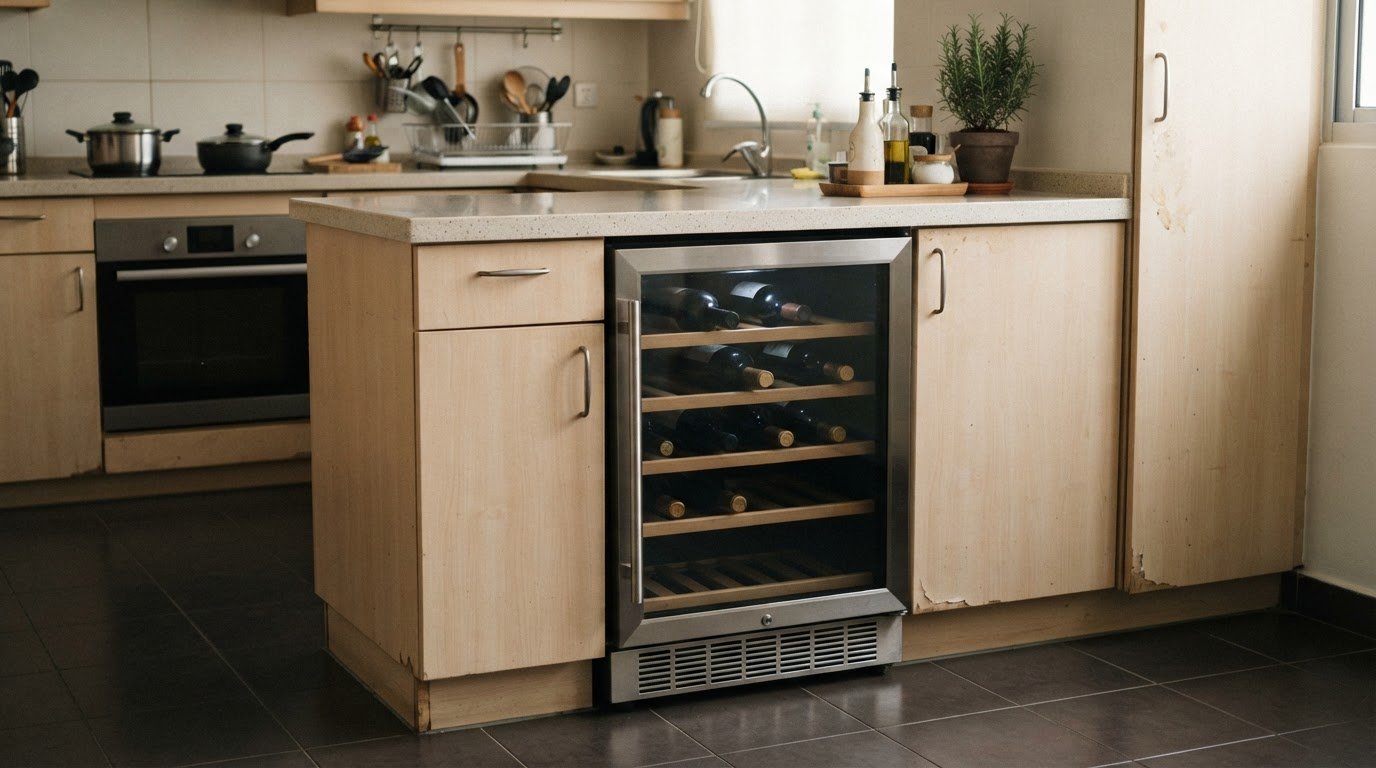
For a reunion gathering, think about which dishes will take centre stage and whether you want one versatile pour or different wines for each course. Stellez Vine Singapore’s curated selection offers a starting point. If you also need to store wine properly, explore Kadeka wine chillers, Eurocave wine fridges and Liebherr wine cabinets.
Contact Stellez Vine Singapore to discuss wines for your Chinese New Year table.
Set the Table for a Memorable Celebration
Let the menu shape your choice, then make room for the people gathered around it. Decide whether you want one wine to carry the meal or a selection that shifts with each course. Consider your guests’ preferences, the dishes’ seasoning and the style of celebration you want to create. These details make Chinese New Year wine pairing ideas a thoughtful part of hosting, rather than a last-minute addition.
Plan your wine alongside the menu so each bottle has a clear purpose and the table feels considered. Glassware and proper storage also support the experience, from opening the bottle to serving it. Small choices like these add polish without distracting from the reunion itself.
Ready to plan a wine selection for your celebration? Contact Stellez Vine Singapore to discuss your needs, and make space for a festive table shaped around good food and good company.
Frequently Asked Questions
What wines pair well with Chinese New Year reunion dinner dishes?
Choose wine by the strongest seasoning, then serve lighter styles before fuller ones. Crisp Riesling can accompany steamed fish, while a soft-tannin red suits soy-seasoned poultry; reserve a fruitier, more structured red for roast duck or braised meats. If sweet sauces feature in the meal, choose a sweeter pour for those dishes so a dry wine doesn’t taste sharp beside them.
What wine pairs best with yu sheng and lo hei?
A fruity red such as Biscardo Neropasso Rosso Veneto 2022 pairs with yu sheng. Let the dressing guide the match: with generous sweet plum sauce, choose a red with ripe fruit and restrained tannins. If citrus and sharper acidity lead, sparkling wine offers a fresh contrast. Pour it alongside the tossing so guests can enjoy the wine with the changing mix of ingredients.
What wine should I serve with Chinese New Year snacks and desserts?
For savoury snacks, sparkling wine is a flexible choice: its bubbles refresh the palate between crunchy, salty bites. With dessert, match the wine’s sweetness to the food rather than defaulting to a dry bottle. Dry, refreshing Prosecco suits a fortune fruit salad, while sweets featuring dried fruit or plum sauce call for a wine with enough sweetness to complement them.


Comments